
Damascus · Montgomery Village
Cabinet Quotes in Clarksburg, MD
Bring your project details together before considering a cabinet purchase.
Send my cabinet inquiry
Or call (562) 203-3232. Calls only, we do not receive text messages.
Cabinet quotes in Clarksburg should identify whether the request concerns a measured existing room or a proposed space still changing on paper. Germantown Cabinet Ledger explains a project-status cover note that prevents early planning prices from being mistaken for an order-ready proposal. The difference belongs to your actual project, not an assumption that every Clarksburg address is new construction.
- Independent buying guidance
- Product inquiries
- Seller availability confirmed separately
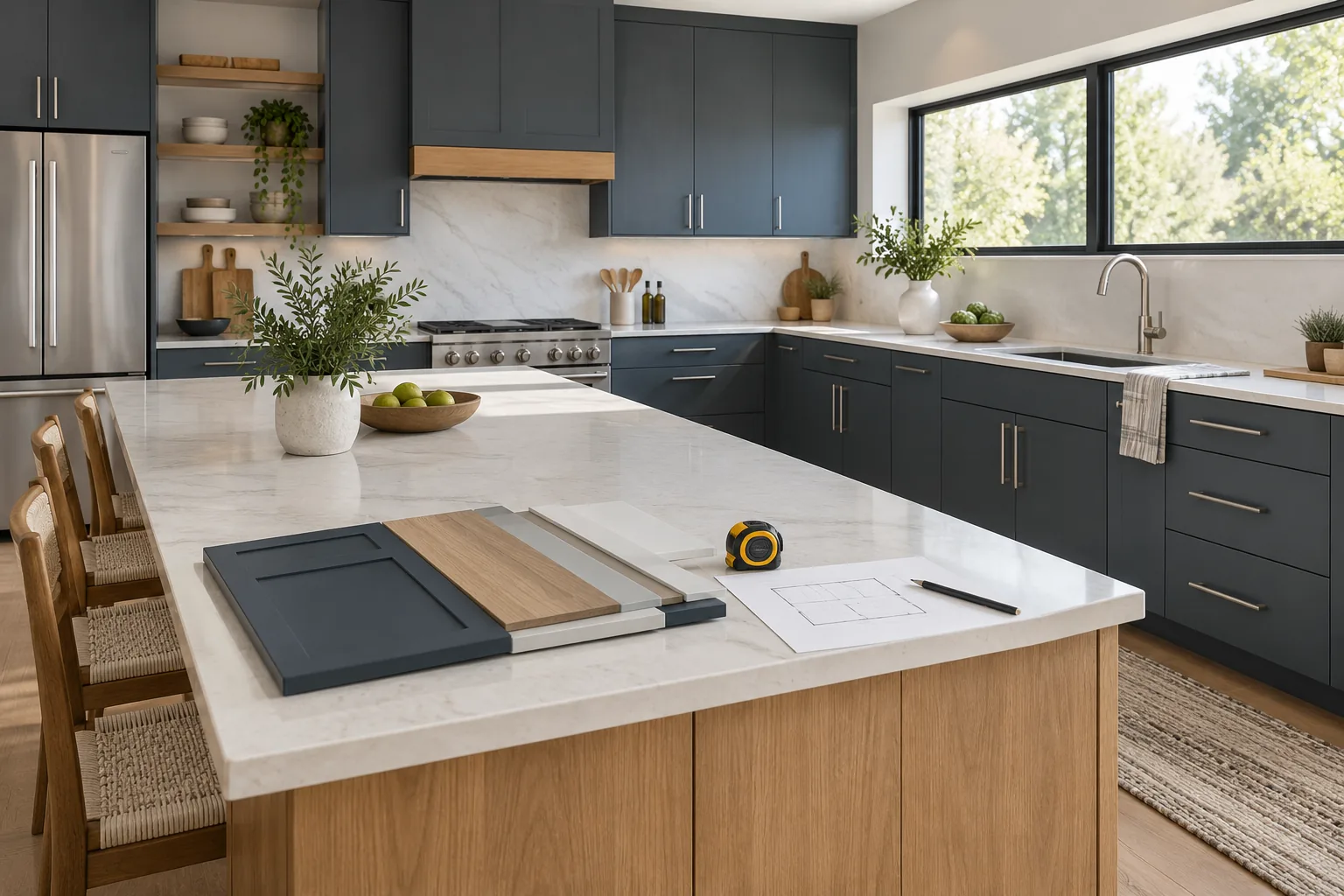
Cabinet purchase preparation in Clarksburg
The guide uses supplied official planning context while leaving property and commercial confirmations to responsible parties. Submitted inquiries reach the owner for review; sharing elsewhere requires your consent and a recipient that accepts the actual project. No supplier acceptance, future building completion, stock or response commitment follows from the community name.
About Germantown Cabinet Ledger
Know who handles each part
Independent cabinet buying information and quote-request service. We do not manufacture, stock or install cabinets. A referral, supplier response, appointment or purchase is not guaranteed. Product availability, delivery and installation must be confirmed directly with the seller or separately engaged contractor.
Describe what the Gateway source actually establishes
Montgomery Planning says the Clarksburg Gateway Sector Plan focuses largely on the undeveloped area east of Interstate 270. Recommendations concern future land use, housing and transportation. The supplied locality ledger supports those statements, but it does not establish that any proposed development is complete or that a particular cabinet schedule has been approved.
Use the planning context to ask a narrower question: what is the status of the space this buyer intends to furnish? Put existing, proposed or preliminary on the cover note and attach the appropriate evidence. A hypothetical existing homeowner should not be treated as a developer merely because a plan discusses undeveloped land. A proposed project should not be treated as measured because its locality is familiar. The source’s scope and the purchase’s scope are different. Keeping them explicit allows a respondent to understand whether it is being asked for exploratory pricing, a revised budget or a final proposal tied to an approved room record.
Use measured evidence for an existing-room request
For a real existing space, collect room dimensions, openings and retained fixture or appliance details. Identify measurement source and date, with uncertain or concealed conditions labeled. IKEA’s US planning publication supports gathering these preparation inputs; it does not supply a Clarksburg room template or certify your measurements. Assign a responsible party to check ordering-critical information.
A hypothetical kitchen retaining appliances needs their actual documented sizes rather than placeholders from a proposed project elsewhere. Mark cabinet positions on the room drawing and include finishing pieces under consideration. If the buyer later changes the scope, issue a revised schedule and preserve the earlier one separately. The existing-room branch of the cover note should show which facts were observed and which choices remain undecided. This prevents a future-oriented locality description from obscuring a straightforward replacement project whose useful questions concern present fit, product selection and actual receiving arrangements.
Use revision-controlled evidence for a proposed space
For a proposed room, identify the drawing revision, unit type and source of dimensions. State whether quantities are approved or still exploratory. Assign authority for changes and the checks needed before release. A schedule based on project drawings can support a discussion, but it should not be represented as a measured existing condition.
A hypothetical project with repeated unit types can maintain a typical schedule while recording exceptions by room. If a later design changes appliance openings, trace the effect into cabinet quantities and finishing parts. Ask respondents to identify which version their proposals address. An early amount may remain useful as planning information, yet it cannot be reused as a final quote without confirming the current requirements. Keep the status cover note concise enough that the distinction is impossible to miss. This is a procurement control, not evidence of construction completion, an approved permit or acceptance of professional buyers by a supplier.
Compare specifications across the chosen status
Whether the project exists or is proposed, define the product identity, configuration, finish and relevant construction requirements. A planning-stage offer can still identify its assumptions; a final-stage offer should match actual selections. Ask for deviations rather than assuming every respondent followed the reference schedule. Keep alternates distinct from base requirements.
KCMA’s cabinetry standard information supports questions about documented certification for a proposed line. It does not certify an unnamed Clarksburg package or decide which product suits a future development. A hypothetical finish alternate might change only appearance in one offer but involve a different collection in another. Check the actual offered products and their specifications before comparing price effects. This status-aware method keeps uncertainty honest at either stage. It also makes a later transition to ordering easier because assumptions can be converted into approved selections without losing the provenance of the earlier estimate or the reason an alternate was considered.
Qualify the cost estimate to the project stage
The Clarksburg cost estimate should carry the same existing or proposed status as the cover note. Identify quantities and selections behind it, then separate freight, assembly, storage and independently engaged labor. Proposed-space assumptions should be visible beside the affected amounts. Existing-space unknowns should remain open rather than disappear because the room can be visited.
All preliminary figures are subject to change when the schedule or responsibilities change. Obtain a written quote tied to the approved version before purchase. FTC estimate guidance supports clarity about scope, materials and price; no local cabinet range or future-development rate is established here. A hypothetical proposed package can request alternates separately while preserving its base assumptions. An existing-room buyer can request a product-only subtotal before finalizing transport. Neither partial number is a complete commitment. Record the current evidence and unresolved costs so participants do not compare a planning allowance against an approved purchase total as though their certainty were the same.
State what must happen before order release
End the cover note with a short release checklist tailored to status. An existing-room request may need final fit validation and confirmed selections. A proposed-space request may also need the current drawing, unit allocation and resolved revisions. Both need seller acceptance, written terms and a receiving arrangement appropriate to the actual destination.
Do not assign any of those confirmations to the Gateway plan. Its future recommendations remain local context. If submitting the project to this site, state the status and specific unresolved decision for owner review. Outside sharing depends on permission and a recipient willing to accept it. A favorable exploratory conversation should not be marked as release approval without actual authority and acknowledgment. Retain the cover note with the eventual order packet, updating its evidence and date as the project advances. Its value is that anyone reading the proposal can tell what the quoted figures are based on and which prerequisites remain unverified.

Inquiry process
From buying questions to a possible supplier quote
Sending an inquiry does not reserve products or book work.
Describe the purchase
Include project ZIP, room, approximate cabinet list and preferred timing.
Clarify requirements
Identify assembly, access, measurements and any separately arranged labor.
Confirm referral availability
An inquiry can be referred only if a suitable seller accepts the location and product request.
Review seller terms
Confirm the final drawing, itemized price, payment, delivery and return terms directly before ordering.
Illustrative product choices
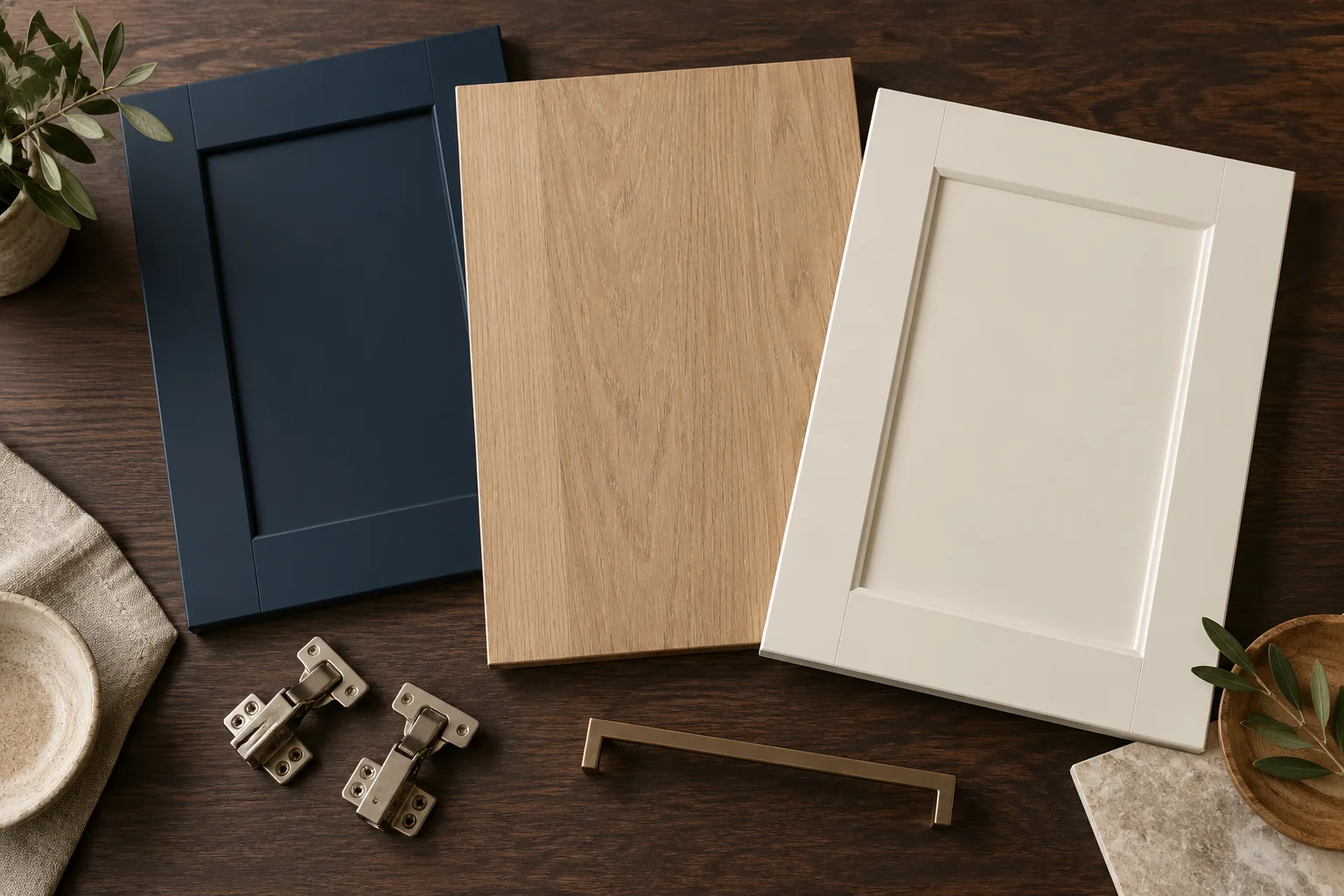
Illustrative product visualizations, not completed work, local properties or supplier facilities.
Local buying information
Other local buying guides
Questions
Clarksburg Questions
Does the Gateway plan show my proposed room is built?
Its recommendations address future planning. Use evidence from the actual project to establish completion and room dimensions. The supplied source cannot convert preliminary drawings into verified existing conditions or demonstrate that a cabinet schedule is ready to release.
Should an existing Clarksburg kitchen use project-drawing assumptions?
Use measured room and retained-appliance evidence for the actual space, labeling uncertain conditions. A proposed-project template may help structure information but should not replace observed dimensions. Have critical inputs validated by the responsible party before ordering.
Can an exploratory price remain useful later?
Keep it as dated planning information with its assumptions. Seek a current written quote for the approved version before commitment. A changed schedule, finish or receiving scope can prevent an earlier planning amount from describing the later purchase.
What should my status cover note say?
Identify existing or proposed space, drawing or measurement source, revision, selection status and the decision requested. List the checks still needed for release. That makes the inquiry’s purpose clear without claiming supplier acceptance or completed construction.
Talk to us about your project in Clarksburg
Describe the purchase and project ZIP in Germantown. Supplier acceptance and any referral are confirmed separately; no visit or quote is booked by this form.
Calls only, we do not receive text messages.